

Views: 0 Author: Site Editor Publish Time: 2026-06-27 Origin: Site


Hearing the phrase "lithium-ion battery" often brings to mind a single universal product. In reality, it serves as a broad umbrella term. This category covers many distinct chemical compositions and physical architectures. You cannot treat all lithium-based energy storage solutions identically.
Selecting the wrong battery chemistry or form factor invites severe consequences. You risk catastrophic thermal runaway. You face poor lifecycle durability. You might even experience complete hardware integration failures. Engineering teams must understand these distinct technical parameters. Relying on assumptions leads to dangerous system failures.
This technical evaluation guide will help engineering and procurement teams navigate these complexities. You will learn how to match the right Lithium-ion Battery technology to your specific application requirements. We explore everything from utility-scale energy storage systems to compact portable electronics. Our analysis provides the clarity you need for successful project deployment.
Understanding the internal chemistry is your first step. Each chemical composition offers unique performance profiles. We use a standardized evaluation framework to assess these options. This framework looks at energy density, power capability, thermal stability, and lifespan.
| Chemistry | Energy Density | Specific Power | Thermal Stability | Lifespan (Cycles) |
|---|---|---|---|---|
| LFP | Moderate | Moderate | Exceptional | 3,000 - 5,000+ |
| NMC | High | High | Moderate | 1,000 - 2,000 |
| LCO | Very High | Low | Low | 500 - 1,000 |
| LTO | Low | Very High | Exceptional | 10,000 - 20,000 |
| LMO | Moderate | High | Moderate | 300 - 700 |
| NCA | Very High | High | Low | 1,000 - 1,500 |
LFP chemistry utilizes iron and phosphate as cathode materials. This structure provides exceptional thermal stability. The olivine crystal structure prevents oxygen release under stress. This makes LFP incredibly safe during thermal events. You get an extended cycle life exceeding 3,000 cycles. It contains absolutely no cobalt. This eliminates many supply chain bottlenecks. Engineering teams overwhelmingly choose LFP for stationary battery energy storage systems (BESS). Heavy-duty electric transit vehicles also rely heavily on this chemistry. The primary trade-off remains its lower energy density. It requires more physical space to store equivalent power.
NMC blends nickel, manganese, and cobalt. Nickel delivers high specific energy. Manganese provides structural stability. Cobalt enhances the overall lifespan. This trio creates a highly balanced performance profile. NMC dominates the consumer electric vehicle market. It thrives in space-constrained applications. You get maximum range in a compact physical footprint. However, NMC requires robust thermal management systems. The chemistry exhibits a lower thermal runaway threshold than LFP. Engineers must carefully monitor cell temperatures during rapid discharging.
LCO stands as the historical standard for mobile phones and laptops. It delivers extremely high specific energy. This allows consumer electronics to remain thin and lightweight. However, LCO suffers from a remarkably short lifespan. The cells typically degrade after 500 to 1,000 cycles. Furthermore, LCO presents lower thermal stability. Overcharging these cells leads to severe safety risks. Manufacturers strictly limit LCO to small-scale consumer devices. You rarely see this chemistry deployed in large industrial applications. The structural degradation over time limits its broader utility.
LTO replaces graphite in the anode with lithium titanate nanocrystals. This alteration transforms the battery's performance. You unlock rapid charge and discharge capabilities. LTO batteries charge fully in mere minutes. They tolerate extreme temperature variations beautifully. The lifespan routinely exceeds 10,000 cycles. You can deploy LTO in harsh environments safely. The trade-off involves extremely low energy density. LTO batteries remain bulky and heavy. They serve specialized roles. You will find them in grid frequency regulation and rapid-charging transit buses.
LMO features a three-dimensional spinel structure. This architecture improves ion flow within the cell. You gain fast-charging capabilities. The cell delivers impressive high current output. LMO offers a lower internal resistance compared to LCO. It generates less heat during intense use. Manufacturers often blend LMO with NMC. This blending maximizes specific energy while retaining high power bursts. You frequently see this chemistry powering medical devices. Professional power tools also rely heavily on LMO blends. The pure LMO lifespan remains somewhat limited without blending.
NCA shares similarities with NMC. It substitutes manganese for aluminum. This substitution boosts the specific energy. It delivers exceptional power densities. Certain high-profile EV brands rely entirely on NCA technology. It provides unmatched acceleration and range. However, NCA demands strict thermal management. The safety profile requires sophisticated active cooling systems. The aluminum adds structural stability, but thermal runaway risks persist. Engineering teams must implement complex battery management systems. They monitor every single cell to prevent cascading failures.
Most large-scale deployment decisions eventually come down to LFP versus NMC. These two chemistries dominate the current industrial landscape. Understanding their specific trade-offs guides successful project development.
You must evaluate your available physical space. NMC offers a lighter weight and a much smaller footprint. You can pack tremendous energy into tight enclosures. Consumer sedans require this density. Conversely, LFP introduces significant bulk. The heavier weight limits its use in compact passenger vehicles. However, LFP delivers superior longevity. If your installation site offers ample space, LFP becomes highly attractive. Stationary storage facilities readily accommodate the extra bulk. They trade physical footprint for operational durability.
Safety parameters dictate system design. You must look at thermal runaway onset temperatures. Evidence shows NMC enters thermal runaway around 150°C to 210°C. Once triggered, NMC releases oxygen. This accelerates the internal fire. In contrast, LFP remains stable up to 270°C. LFP does not release oxygen during structural collapse. This inherent stability drastically reduces thermal risks. LFP's stability reduces the need for complex cooling systems. You avoid deploying heavy liquid cooling networks. Simple HVAC configurations often suffice for LFP installations.
Environmental, Social, and Governance (ESG) mandates influence procurement. NMC relies heavily on cobalt and nickel. Cobalt mining carries significant geopolitical and ethical concerns. The supply chain remains vulnerable to intense fluctuations. Mining practices often face strict regulatory scrutiny. Conversely, LFP utilizes widely available iron and phosphate. These materials exist abundantly across the globe. Ethical sourcing becomes significantly easier. Procurement teams face fewer supply chain disruptions. LFP aligns perfectly with stringent corporate ESG initiatives.
Operational durability dictates long-term success. You must compare the average cycle life. LFP consistently delivers 3,000 to 5,000+ cycles. A well-managed LFP system operates for over a decade. NMC generally degrades after 1,000 to 2,000 cycles. This difference impacts your long-term capital expenditure deeply. A Lithium-ion Battery system using LFP requires fewer replacements. You avoid the logistical nightmares of swapping out degraded modules. LFP provides predictable, sustained performance over its extended lifespan.
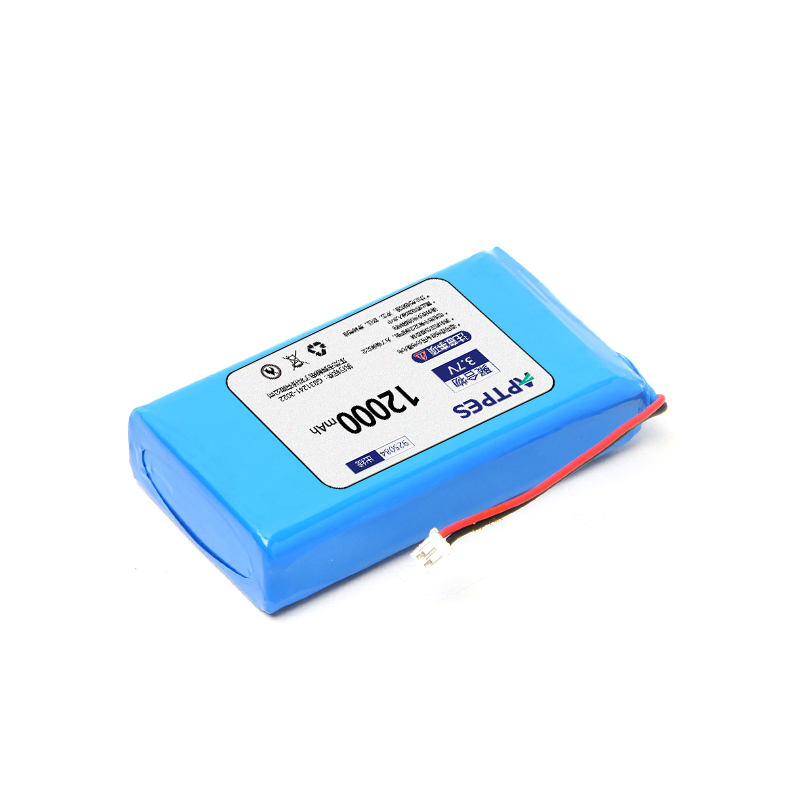
Internal chemistry dictates potential performance. Physical architecture dictates system integration. Battery cells arrive in three primary form factors. Each shape introduces distinct mechanical properties. Engineering teams must match the form factor to the operational environment.
Cylindrical cells represent the most mature manufacturing technology. Industry standard sizes include 18650, 21700, and the newer 4680 formats. These numbers represent physical dimensions. For example, an 18650 measures 18mm in diameter and 65mm in height.
This architecture provides excellent mechanical stability. The steel casing withstands significant internal pressure. Manufacturing these cells is highly automated and extremely reliable. When you stack cylindrical cells, natural interstitial spaces form. These tiny gaps naturally aid thermal management. Air or cooling fluids flow easily between the cells. Cylindrical modules represent the best option for modular scalability. You can build highly customized battery packs easily.
Prismatic cells feature a rectangular shape. Manufacturers encase them in robust aluminum or steel housing. This format maximizes space-efficiency. You achieve an incredibly high packaging density. They eliminate the wasted space found in cylindrical arrays.
These cells feature large external terminals. This simplifies connection systems significantly. You use simple busbars to link them together. There is a massive growing preference for prismatic cells in large-scale deployments. Grid-scale BESS and heavy-duty EVs utilize them extensively. The rigid casing protects the internal jelly roll from external mechanical stress. They offer a highly durable solution for rough environments.
Pouch cells eliminate rigid metallic casings entirely. Manufacturers enclose the internal components in a flexible aluminum-polymer envelope. This creates a remarkably lightweight footprint. You achieve the highest possible energy density. The cells maximize the active material ratio.
However, pouch cells carry a specific implementation risk. The flexible casing provides zero internal mechanical support. During intense charge cycles, the cells often generate trace gases. This leads to cell swelling. You must provide rigid external structural support. Engineering teams must compress pouch cells within sturdy frames. Without this external pressure, the cells experience mechanical failure over time. Proper module design remains critical for pouch cell longevity.
Theoretical knowledge must translate into practical application. Different industries demand specific performance parameters. You cannot force a single battery type across diverse sectors. Let's examine how chemistry and form factor align with distinct use cases.
Stationary energy storage requires massive scale and supreme safety. Spatial constraints rarely exist in dedicated facility yards. We justify LFP as the definitive choice for this sector. The unmatched lifespan ensures long-term operational stability. The extreme thermal stability prevents cascading facility fires. You deploy LFP prismatic cells to simplify busbar connections. This configuration provides reliable grid stabilization and renewable energy shifting. LFP handles the daily deep cycling without rapid degradation.
The automotive sector experiences a clear technology bifurcation. Consumer EVs demand maximum driving range. Space inside a sedan remains limited. Therefore, NMC remains dominant for long-range consumer vehicles. It fits dense power into tight chassis floors.
Conversely, commercial fleet transit operates differently. City buses drive predictable routes. They return to depots nightly. LFP serves these predictable-route transit fleets perfectly. Fleet operators value the longevity over the extended range. Entry-level consumer EVs also increasingly adopt LFP. It provides a highly durable, structurally safe alternative for daily commuting.
Mobile off-grid applications demand rugged safety. Marine vessels and RVs feature tight, enclosed living spaces. You must mitigate fire risks entirely. LFP prismatic or cylindrical formats act as excellent drop-in replacements for outdated lead-acid batteries. They provide unparalleled safety in enclosed spaces. LFP tolerates deep discharge cycles repeatedly. A boat owner can drain the battery bank safely. Lead-acid batteries suffer permanent damage under similar deep discharges. LFP delivers reliable power in remote, off-grid cabins.
Robotics and handheld power tools require sudden bursts of immense energy. A drill needs immediate torque. A warehouse robot needs sudden lifting power. You must deliver high burst currents in compact housings. LMO and NMC blends position themselves as the optimal choice here. They provide the necessary specific power. The 18650 or 21700 cylindrical form factors fit perfectly into tool handles. The robust cylindrical casing withstands the daily drops and vibrations common on construction sites.
Deploying energy storage requires rigorous safety auditing. You cannot simply connect cells and activate a system. Strict regulatory frameworks govern battery integration. Examining lifecycle durability ensures long-term operational success.
Your chosen technology must carry specific compliance markers. Without these, you face severe regulatory hurdles.
A few critical certifications include:
The choice of a lithium-ion battery dictates ancillary system requirements. These hidden integration factors define your overall system complexity. Consider the Battery Management System (BMS). An NMC system requires a highly complex, active-balancing BMS. It must monitor cell voltages aggressively. An LFP system often operates safely with a simpler BMS framework.
Fire suppression systems represent another massive integration factor. High-density chemistries often require dedicated liquid cooling networks. You must plumb cooling lines throughout the battery racks. Stable chemistries often survive safely with basic HVAC environmental controls. Finally, end-of-life recycling liabilities matter. Cobalt-heavy batteries require highly specialized, tightly regulated disposal procedures. Iron-based batteries present fewer severe toxicity hazards at the end of their operational lifecycle.
Engineering teams need a methodical approach to procurement. Follow this 3-step procurement checklist to narrow down your options:
The "best" lithium-ion battery simply does not exist in a vacuum. It is strictly dictated by the application's tolerance for weight, required cycle life, and acceptable thermal risk. A chemistry that shines in a mobile phone will fail catastrophically in a solar storage yard. A bulky chemistry perfect for grid storage will ruin the balance of a handheld tool.
You must map your precise operational parameters first. Evaluate your physical boundaries. Understand your thermal limitations. Assess the required daily cycling depth. We strongly encourage buyers to consult with experienced integration engineers. Audit your specific power profiles and spatial constraints before finalizing your chemistry and form factor. Careful planning guarantees a durable, highly efficient energy storage deployment.
A: Lithium Iron Phosphate (LFP) and Lithium Titanate (LTO) represent the safest chemistries. They possess extremely high thermal runaway thresholds. LFP withstands temperatures up to 270°C before structural failure. They do not release oxygen during thermal events, significantly reducing fire propagation risks in commercial deployments.
A: No. You must never mix chemistries, cell architectures, or even cells of different ages. Strict BMS limitations prevent this. Mixing them causes severe voltage imbalances, leading to rapid degradation. It drastically increases the danger of thermal runaway. A battery pack must remain entirely uniform.
A: These numbers refer exclusively to physical dimensions and capacity, not internal chemistry. An 18650 is 18mm wide and 65mm tall. A 21700 is 21mm wide and 70mm tall. The larger 21700 holds more active material, delivering higher capacity within a single cylindrical cell.
A: LFP offers superior cycle life, routinely exceeding 3,000 cycles. It ensures long-term grid durability. Furthermore, LFP contains no cobalt, simplifying ethical sourcing. Crucially, its inherent thermal stability drastically reduces the need for expensive, highly complex liquid cooling and active fire suppression systems.


