

Views: 0 Author: Site Editor Publish Time: 2026-07-08 Origin: Site


Rechargeable and solid-state power systems dominate tech headlines today. Yet engineers and procurement teams often face unforgiving edge cases. In these extreme scenarios, primary, non-rechargeable batteries remain absolutely mandatory. The current landscape presents a tough balancing act for device manufacturers. Stricter environmental compliance and extended producer responsibility mandates create new hurdles. This clashes directly against the demand for ultra-reliable, zero-maintenance power in the field. Remote IoT sensors, medical implants, and industrial equipment simply cannot fail. Choosing this power source goes beyond checking off technical specifications. You must carefully weigh deployment logistics against evolving regulatory risks and disposal requirements. We will explore why specialized primary cells stay highly relevant in 2026. You will learn how to evaluate their unique strengths against standard options. You will also discover how to navigate the complex compliance landscape ahead.
Every industrial project starts by framing the exact business problem. We must first identify scenarios where battery failure is completely unviable. Often, a field technician cannot simply drive to a remote site. Helicopter drops or deep-sea dives make replacement logistics physically impossible. These isolated applications dictate incredibly strict success criteria for hardware engineers. A successful deployment often means zero maintenance trips for a full decade. It means guaranteed operation in brutal frozen environments. Absolute voltage stability becomes a non-negotiable baseline for sensitive microcontrollers.
Typical use cases highlight these extreme operational demands clearly. Remote IoT sensors monitor pipeline integrity across isolated tundras. These devices rely heavily on a Single Lithium Battery to transmit critical daily data. Utility meters sit sealed inside buried concrete vaults for years. Accessing them requires breaking pavement and halting city traffic. Implanted medical devices require steady pulses to sustain human life safely. Surgery to replace a depleted cell carries immense medical risk.
Military and aerospace sectors face similar unyielding constraints. Emergency beacons demand fail-proof activation after years of dormant storage. Deep-sea monitoring equipment operates under crushing physical pressure. Technicians cannot access these submerged assets once deployed. In these high-stakes environments, standard power systems fail rapidly. You need a specialized chemical solution designed for extreme isolation.
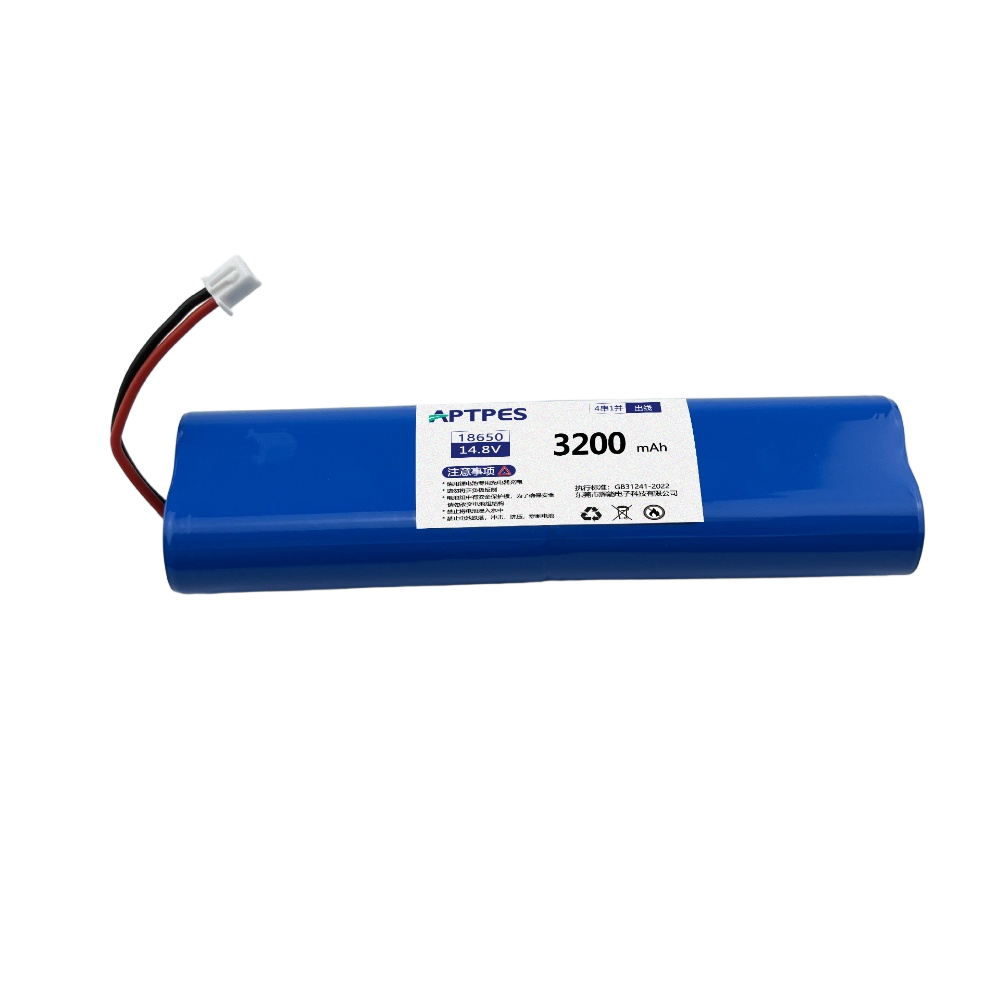
Unmatched energy density and longevity set these cells apart from competitors. Lithium Thionyl Chloride (Li-SOCl2) chemistries offer the highest specific capacity available today. They pack incredible energy into very small physical footprints. Their extremely low self-discharge rate is equally impressive for long-term planning. They often lose less than one percent of their total capacity annually. This unique chemical stability enables up to a 20-year shelf life. Engineers rely on them for devices sitting dormant until sudden activation.
Extreme environmental tolerance is another defining characteristic of this technology. Standard alkaline cells freeze and rupture in harsh winter conditions. Primary lithium cells highlight reliable operation across incredibly extreme temperature bands. They function seamlessly from -55°C up to +85°C. Specialized aerospace variants push these thermal boundaries even further. The electrolyte remains stable, preventing catastrophic failure during severe climate swings.
Form factor and weight efficiency remain crucial for payload-sensitive deployments. Drones and weather balloons cannot carry heavy traditional power banks. We must directly compare the power-to-weight ratio against available alternatives. Alkaline and lead-acid options simply weigh too much for their energy output. Primary lithium provides a lightweight, high-density solution for strict payload limits.
We must also objectively evaluate the critical drawbacks of this technology. Unit cost versus scale presents an immediate hurdle for procurement teams. They carry a premium initial price per cell compared to standard alkaline batteries. This reality significantly impacts your initial capital expenditure during mass production. Scaling a deployment across a million remote nodes requires careful financial justification. You must secure leadership buy-in for this higher upfront hardware investment.
The 2026 regulatory landscape complicates disposal and environmental compliance globally. Hazardous waste disposal comes with rising logistical costs and strict tracking rules. Companies face immense pressure to meet ambitious ESG targets annually. Relying heavily on single-use technology introduces long-term corporate sustainability risks. Procurement teams must map end-of-life recycling pathways long before actual field deployment.
Passivation risks often catch inexperienced hardware engineers entirely off guard. We must transparently explain this voltage delay phenomenon to prevent field failures. Certain primary chemistries form a protective passivation layer during long storage periods. This thin chemical layer prevents self-discharge but causes unexpected initial voltage drops. When a device first wakes up, the operating voltage might briefly plummet.
Best Practice: Always program a depassivation pulse into your device firmware. Engineers must design circuits that apply a brief, heavy load initially. This action breaks the passivation layer safely. Without this crucial step, the device might register a false low-battery alert. It could even fail to boot its main transmitter module entirely.
We must compare our options without relying on broad, generic assumptions. Our evaluation focuses strictly on deployment reality and field accessibility. You need a structured way to determine when to pivot away.
You should pivot to rechargeable options under very specific conditions. If the remote device can harvest ambient solar or thermal energy reliably, rechargeables win. Easily accessible devices also benefit tremendously from secondary cells. A smart lock in a suburban home does not need a 20-year cell. A standard rechargeable pack handles that gentle environment perfectly. Rechargeable cells also support heavy, continuous power drains much better. If your sensor transmits large video files daily, primary cells will drain prematurely.
SLA batteries still hold immense value in very specific industrial scenarios. You should pivot to SLA if weight and size remain completely irrelevant. If your stationary project does not require extreme multi-decade longevity, SLA works well. When initial hardware budgets face severe constraints, lead-acid offers a reliable fallback. SLA also handles constant trickle-charging natively without complex management circuits. This makes them ideal for localized, accessible backup power systems.
| Comparison Metric | Primary Lithium | Rechargeable Li-ion | SLA (Lead Acid) |
|---|---|---|---|
| Field Maintenance Need | Zero | Frequent charging required | Occasional physical replacement |
| Overall Energy Density | Very High | High | Very Low |
| Initial Hardware CapEx | Premium | Moderate | Highly budget-friendly |
| Temperature Tolerance | Extreme (-55°C to +85°C) | Moderate (-20°C to +60°C) | Poor in extreme cold |
| Ideal Deployment | Remote IoT / Medical | Consumer Tech / Solar | Stationary Backup Systems |
Deploying a Single Lithium Battery requires strict adherence to global logistics protocols. Air and sea transportation face intense regulatory scrutiny in 2026. These energy-dense cells fall squarely under Class 9 hazardous materials classification. You must ensure absolute UN38.3 compliance for all international shipping. Failure to secure proper testing documentation halts entire global supply chains immediately. Freight forwarders will reject uncertified cargo without hesitation.
Safety engineering demands rigorous attention during the initial circuit design phase. You must implement robust internal protections to prevent catastrophic field failures. Designers typically include blocking diodes and specialized fast-acting fuses. These vital components prevent accidental reverse-charging attempts or dangerous short circuits. Primary cells cannot absorb incoming charge safely under any circumstances. Even a minor reverse current can trigger severe thermal events instantly.
Next-step actions for procurement and engineering require clear internal alignment:
Following these specific steps ensures a compliant, safe, and highly reliable field deployment.
Let us review the final verdict on this specialized power technology. A primary lithium cell remains a highly premium, niche engineering solution. It is absolutely not a universal fix for every commercial power design. You must reserve it strictly for the most demanding environmental challenges. It excels where standard consumer technologies would fail within months.
The core strategic takeaway focuses entirely on physical accessibility and logistics. It becomes the correct choice only when maintenance trips are financially impossible. If dispatching a technician costs drastically more than the hardware, primary cells dominate. You must carefully weigh stringent end-of-life disposal regulations before finalizing any design.
Take immediate action to map out your long-term deployment metrics. Use a standardized decision matrix to plot replacement frequencies against labor costs. Contact a specialized engineering consultant to match your exact chemistry needs today. They will help you navigate 2026 compliance mandates safely.
A: A high-quality primary lithium cell can achieve a 10 to 20-year shelf life. This depends heavily on the specific chemistry, like Lithium Thionyl Chloride (Li-SOCl2). However, you must store them in cool, dry conditions. Excessive heat accelerates the self-discharge rate, significantly shortening their operational lifespan.
A: Strictly no. Global regulations classify them as hazardous waste. You cannot legally throw them in standard commercial or municipal trash bins. You must send them to certified hazardous waste recycling facilities. These facilities safely neutralize residual energy and recover critical raw materials.
A: This is due to a chemical passivation layer. During storage, a thin layer forms to prevent internal self-discharge. When you first use it, this layer causes a temporary voltage delay. Your device firmware must apply a brief depassivation pulse to break this layer and restore normal voltage.
A: You usually cannot swap them directly without checking specifications. Standard alkaline cells output 1.5V. Many primary lithium cells output 3.0V or 3.6V. Inserting them into an alkaline-designed device without voltage regulation can instantly fry the internal circuits. Always verify device compatibility first.


