

Views: 0 Author: Site Editor Publish Time: 2026-07-02 Origin: Site


Selecting a power source dictates the ultimate success of your product. You face a critical engineering and financial decision when choosing a battery. A mismatch leads to premature device failure, severe thermal safety risks, or highly damaging product recalls. Many design teams struggle to align hardware power requirements against complex storage specifications. You must bridge this technical gap to ensure optimal performance and complete user safety. Relying on guesswork or incomplete testing data severely jeopardizes your product viability in the field. This guide provides a structured, evidence-based evaluation framework for your power needs. You will learn how to navigate various chemical makeups, calculate precise electrical limits, and mandate crucial safety systems. Product managers, engineers, and procurement teams moving from prototyping to production will find clear, actionable steps here. We built this framework to help you upgrade legacy power systems smoothly.
You must avoid evaluating spec sheets before defining the terminal load. We often see development teams rush into component selection too early. They skip the crucial step of outlining environmental constraints. This premature action leads to systemic design failures later. You need to map out exact usage parameters first. Clear framing solves most integration problems down the line.
To establish a solid baseline, follow these evaluation steps:
Common Mistake: Relying solely on average power consumption numbers. If you ignore the peak load bursts, the system will trigger low-voltage cutoffs. Your device will shut down unexpectedly under heavy stress.
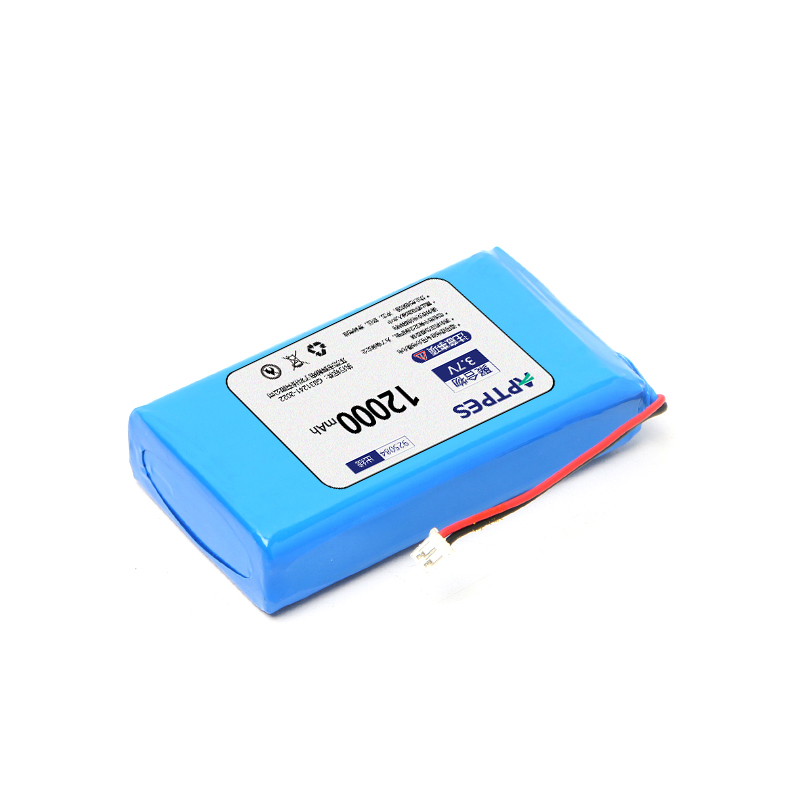
People frequently use the term "Lithium-ion Battery" as a broad umbrella. This categorization obscures major internal design differences. We must detail the three most commercially relevant chemistries available today. Each offers unique operational strengths. None provide a universal solution for every product.
LFP delivers exceptional thermal stability under heavy stress. It provides an immensely high cycle life for demanding applications. You can easily expect 2,000 to over 5,000 charge cycles. This makes it a much safer chemistry overall. The trade-offs involve lower energy density and a notably heavier footprint. You will find LFP best suited for industrial equipment. It also dominates solar storage arrays and heavy-duty electric vehicles.
NMC offers high specific energy in compact packages. It provides an excellent balance between raw power and overall capacity. The trade-offs include a distinctly shorter lifespan than LFP alternatives. NMC is also more sensitive to thermal runaway if abused. Manufacturers prefer NMC for medical devices and modern e-bikes. It remains highly popular for portable electronics needing sustained power.
LCO boasts extremely high specific energy. It packs maximum power into minimal physical space. However, the trade-offs are significant and limiting. LCO suffers from a shorter lifespan and a lower thermal threshold. You should strictly reserve LCO for lightweight consumer electronics. Mobile phones and premium laptops rely heavily on this delicate chemistry.
Below is a summary chart comparing these three fundamental options:
| Chemistry Type | Energy Density | Cycle Life | Thermal Stability | Best Application Use Cases |
|---|---|---|---|---|
| LFP (LiFePO4) | Moderate | 2,000 - 5,000+ | Excellent (Very Safe) | Industrial, Solar, Heavy EV |
| NMC | High | 1,000 - 2,000 | Moderate | Medical, E-bikes, Power Tools |
| LCO | Very High | 500 - 1,000 | Low (Prone to overheating) | Phones, Laptops, Wearables |
Precision prevents catastrophic system failures during deployment. You must calculate strict electrical and physical requirements before sourcing. Selecting a properly sized Lithium-ion Battery prevents premature product obsolescence.
Match the nominal voltage of the pack to your operating window. Common pack voltages include 3.7V, 12V, 24V, and 48V. Series configurations increase the total system voltage. Parallel configurations increase the total stored capacity. You must align these cell arrays precisely to avoid damaging sensitive components.
Calculate the required runtime based on average current draw. A major implementation risk involves ignoring chemical degradation over time. Always factor in a rigid 20% degradation buffer. This ensures your hardware functions adequately near the end of its lifecycle. For example, a 10,000mAh requirement needs a 12,000mAh starting capacity. Ignoring this buffer results in frustrated end-users.
Ensure the cells can safely dispense power at required speeds. The C-rate specifically defines this discharge capability. A cell rated for 1C cannot support a 3C peak draw safely. Forcing high continuous currents risks internal structural damage. It causes severe overheating very rapidly. Calculate both continuous and burst C-rates carefully.
Evaluate your spatial constraints immediately during the design phase. You must decide between various physical formats based on available cavity space.
Safety protocols require absolute strictness during product development. A naked cell acting independently is a massive liability. You must integrate proper oversight controls.
You must mandate an integrated BMS for every pack. This circuitry serves as the primary defense mechanism against failure. It actively monitors individual cell health continuously.
Required BMS protections include:
Global markets enforce strict regulatory testing standards. You cannot bypass these critical certifications legally.
Request exhaustive testing logs directly from the manufacturer. Demand official certification documents signed by testing laboratories. Do not accept self-certified claims under any circumstances. Always require transparent third-party validation. This strict transparency protects your end-users from harm. It also shields your company from massive legal liabilities.
Technical specs are only as reliable as the manufacturer producing them. You must transition from pure product evaluation to stringent partner evaluation. Identifying a trustworthy supplier determines your long-term production success.
Assess the manufacturing facility alongside the actual data sheet. A disorganized factory produces highly inconsistent individual cells. Reliable partners maintain strict environmental controls on their floors. They track raw component origins meticulously. We recommend organizing factory audits before signing large contracts.
Determine if your design can utilize standard physical form factors. Standard sizes reduce overall lead times significantly. They also eliminate steep non-recurring engineering costs entirely. Conversely, proprietary physical dimensions require custom structural packs. Custom integration offers perfect fits but extends development timelines considerably. Evaluate your time-to-market priorities carefully.
Look for suppliers offering complete operational transparency. They should provide clear data detailing their cell grading logic. Manufacturers grade cells to isolate variations in internal impedance. Cycle life testing protocols must be openly shared upon request. Pack assembly processes need rigorous, standardized documentation. You should inspect their final end-of-line testing procedures closely. A high-quality Lithium-ion Battery manufacturer hides nothing from their clients.
Evaluate the fine print hidden in warranty contracts carefully. A reliable supplier stands completely behind their lifecycle claims. They offer clear, enforceable cycle-life warranties. They provide highly responsive engineering support when integration issues arise. Long-term field reliability depends heavily on this post-sale relationship.
Navigating power integration requires extreme precision. You must strictly match the load profile to the optimal chemistry. Calculate precise electrical specs to avoid underpowering your hardware. Demand a highly robust BMS to prevent thermal events. Finally, thoroughly verify your supplier credentials before committing to production.
Here are your immediate next steps:
We strongly encourage you to consult with a dedicated power engineer. Request a technical consultation to review your specific device schematics today. Early expert validation prevents expensive revisions later.
A: Cycle life counts the total charge and discharge cycles a cell completes before degrading. Calendar life measures chemical degradation occurring over time, regardless of actual use. Both metrics eventually reduce total capacity. A cell sitting untouched on a shelf still ages chemically.
A: Yes, but you must adhere strictly to UN38.3 regulations. The law requires packs to ship at a state of charge below 30%. You must also ensure the device cannot accidentally activate during transit. Proper isolation packaging remains legally mandatory.
A: Custom packs offer vastly better physical integration and optimized performance. However, they carry significant upfront engineering costs and longer lead times. Standard off-the-shelf sizes reduce your time-to-market dramatically. Choose custom only if proprietary dimensions are absolutely necessary.
A: Swelling results from internal outgassing. This occurs during severe thermal or electrical abuse, such as overcharging. You can mitigate this risk by enforcing strict BMS thresholds. Selecting properly graded cells from reputable suppliers also prevents unexpected pouch swelling.


