

Views: 0 Author: Site Editor Publish Time: 2026-07-16 Origin: Site


High-drain electronics, unmanned aerial vehicles, and remote off-grid sensors demand robust energy solutions to function reliably. A standard power source quickly falls short when facing these demanding, continuous-draw environments. Upgrading to a higher capacity directly solves frustrating runtime limitations for most users. However, this upgrade introduces complex new challenges regarding physical weight limits, necessary voltage configurations, and exact cell chemistry.
The 2026 market offers many distinct options across various applications. Reliable power depends heavily on the Battery Management System (BMS), cell grading, and discharge requirements. This guide cuts through inflated capacity claims to help you evaluate actual performance and long-term value. We compare proven models across different voltage categories to clarify your options. You will learn how to select a dependable 12000mAh Lithium Battery based on real-world implementation data.
Understanding battery costs requires separating raw material trends from retail realities. Macro per-kWh battery costs have decreased globally over recent years. However, retail costs for a specific 12Ah pack remain sustained by manufacturing processes. Specialized BMS integration and rugged packaging add significant overhead. You are not just buying raw cells. You are purchasing a fully engineered power delivery system.
Voltage configuration acts as a major cost multiplier. The term "12000mAh" only denotes capacity. It does not indicate total energy. A 3.7V 12Ah pack requires far fewer internal cells. It costs significantly less to manufacture than a 28.8V (8S) 12Ah pack. Heavy-duty applications demand multi-cell configurations. These configurations naturally require more materials, complex wiring, and robust balancing circuits.
Cell grading and sourcing also dictate the final product value. Manufacturers differentiate heavily between Tier 1 cells and generic alternatives. Tier 1 cells offer predictable degradation and strict quality control. They require a higher upfront investment. Generic repurposed cells carry a high risk of early voltage sag. They might fail prematurely under heavy loads.
Finally, continuous discharge ratings (C-Rate) heavily influence manufacturing complexity. High-drain applications demand specialized components. Commercial drones need expensive, low-internal-resistance cells to prevent overheating. Low-drain uses operate perfectly fine on standard cells. Trail cameras and LED lighting setups do not require extreme burst capabilities. Matching the C-rate to your application prevents unnecessary spending.
Selecting the right chemistry is crucial for project success. A 12000mAh Lithium Battery performs very differently depending on its internal makeup. We must compare the two primary categories dominating the 2026 market.
| Chemistry Type | Primary Advantage | Lifespan (Cycles) | Energy Density | Ideal Application |
|---|---|---|---|---|
| LiFePO4 (Lithium Iron Phosphate) | Extreme safety and longevity | 2000 - 5000+ | Moderate (Heavier) | Solar, SLA replacement, marine |
| Li-Ion (NMC) / LiPo | Maximum power-to-weight ratio | 300 - 500 | High (Lightweight) | UAVs, power tools, robotics |
LiFePO4 chemistry dominates the off-grid and marine sectors. These packs serve as excellent power sources for small solar setups. Anglers rely on them heavily for fish finders. They also function perfectly as drop-in replacements for sealed lead-acid (SLA) batteries in mobility scooters.
The pros of LiFePO4 are undeniable. They offer a massive 2000 to 5000 cycle lifespan. The chemistry is inherently stable under stress. You face virtually no thermal runaway risk, even if punctured. However, they carry distinct cons. LiFePO4 has a lower energy density than other lithium types. This results in a heavier and bulkier physical footprint. They do not suit weight-sensitive aircraft.
Lithium-Ion and LiPo chemistries prioritize performance above all else. They excel in UAVs, commercial drones, and RC vehicles. Portable power tools also rely on their compact nature. Cellular trail cameras benefit greatly from their small form factor.
These packs offer maximum power-to-weight ratios. Their compact form factor fits easily into tight device housings. They remain uniquely capable of massive burst discharge. Conversely, they suffer from a shorter overall lifespan. You can typically expect 300 to 500 charge cycles. They enforce stricter storage requirements. You must carefully manage their thermal output to prevent dangerous swelling or fires.
The current market categorizes batteries into distinct tiers based on performance requirements. Buyers must identify their exact tier to avoid mismatching capabilities.
This premium tier focuses entirely on multi-cell configurations. You will primarily see 6S or 8S setups outputting 22.2V to 28.8V. Manufacturers design these for extreme power delivery.
When evaluating this tier, inspect the wiring carefully. Look for heavy-duty AWG 8 or 10 silicone wires. Ensure the pack includes dedicated balance leads. The internal cells must feature precisely matched internal resistance. Commercial drone operators represent the primary target buyer here. Heavy-duty RC enthusiasts and custom robotics engineers also depend on these robust configurations.
The mid-range tier focuses on standardizing power upgrades. These 12.8V LiFePO4 packs specifically replace outdated 12Ah Lead-Acid batteries. They maintain similar external dimensions for easy installation.
Evaluation criteria focus heavily on safety features. A built-in smart BMS is strictly mandatory. It must provide overcharge protection and prevent deep discharge. Low-temperature cut-off protection is critical for winter use. Anglers and off-grid enthusiasts purchase these heavily. DIY electronics builders also favor their reliable, plug-and-play nature.
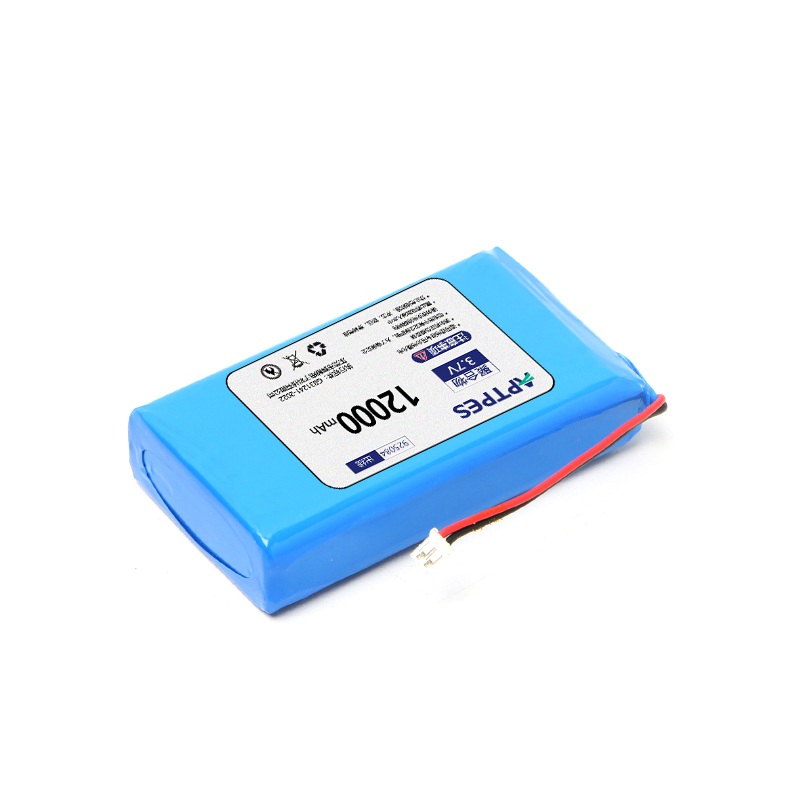
Entry-level tiers cater to specialized, low-draw equipment. These typically feature 3.7V or 7.4V configurations. Manufacturers design them for specific devices rather than general use.
Key evaluation criteria include environmental durability. Look for proper weatherproofing and verified IP ratings. Ensure plug-and-play connector compatibility with your specific device. Hunters utilize these for 12V solar trail cameras. Outdoor security installers rely on them for remote cameras. Consumer electronics upgraders use them to extend portable speaker runtimes.
Upgrading your system seems straightforward on paper. However, practical implementation often reveals hidden challenges. Ignoring these risks can damage your equipment or void warranties.
Making a final decision requires a structured approach. Avoid relying solely on marketing claims. Follow this systematic logic to secure the right power source.
A: Runtime depends entirely on your specific application and device draw. Use this formula: Runtime = Total Watt-Hours / Device Wattage Draw. A 12V 12Ah battery provides roughly 144 Watt-Hours of energy. If your device draws 20 watts continuously, the battery lasts approximately 7.2 hours. Higher wattage equipment depletes the capacity significantly faster.
A: Yes, this upgrade remains highly popular. However, you must verify physical fitment first. LiFePO4 batteries weigh less, but a 12Ah pack often has a larger footprint than an older 7Ah brick. You must also confirm the new BMS protections align with your device's maximum surge current.
A: Weight correlation and physical volume provide the best clues. Standard 18650 and 21700 cells have strict physical limits. If a budget pack claims massive capacity but feels incredibly light, it is likely fake. If the external casing mathematically cannot hold enough cells to reach 12Ah, avoid purchasing it.
A: We highly recommend standard 0.2C to 0.5C charging rates. This preserves long-term cycle life. For a 12Ah battery, this equals charging at 2.4 to 6 amps. Pushing higher currents generates dangerous internal heat. It degrades the chemistry quickly unless the manufacturer specifically rates the pack for fast charging.


