

Views: 0 Author: Site Editor Publish Time: 2026-07-19 Origin: Site


Upgrading or replacing solar light power storage using a high-capacity pack is a high-yield investment. It extends runtime significantly and brightens outdoor spaces reliably. However, mismatched specifications often cause premature failure. Incompatible parts might ruin your entire lighting setup completely.
A 12000mAh (12Ah) capacity usually powers heavy-duty residential fixtures. You also see it commonly inside commercial pathway units and high-lumen solar street lighting. These demanding applications need robust, long-lasting energy storage to function correctly overnight.
Buyers must carefully evaluate cell chemistry and voltage alignment before purchasing. Built-in protections are equally crucial for long-term safety. You must navigate exaggerated capacity claims to ensure seamless integration. This guide provides exact evaluation criteria to match panel output and navigate physical installation constraints successfully.
True 12000mAh capacity achieves specific, measurable performance benchmarks. It sustains high-lumen output for ten to twelve continuous hours. It also provides two or three days of autonomy during cloudy or rainy weather. This massive capacity level ensures lights stay bright from dusk until dawn. You never have to worry about fixtures dimming prematurely halfway through the night.
Lithium technology vastly outperforms legacy alternatives like Lead-Acid or NiMH. Lithium packs reduce overall system weight dramatically. A lead-acid unit holding similar energy weighs considerably more. Lithium cells also allow an 80-100% Depth of Discharge capability. Older chemistries degrade rapidly if discharged too deeply on a regular basis. Furthermore, lithium cells completely lack the dreaded "memory effect". They accept partial charges from variable sunlight without losing their maximum storage potential.
We strongly recommend identifying if this capacity matches your actual use case. It is ideal for demanding applications. Solar street lights benefit immensely from this power tier. High-output floodlights and integrated pathway luminaires also require massive energy reserves. Conversely, installing a 12000mAh Lithium Battery is overkill for standard garden stake lights.
Standard Li-ion (NMC/LCO) chemistry offers higher energy density. This means a smaller physical footprint inside the housing. However, it degrades much faster in high-heat outdoor environments. Sweltering summer afternoons accelerate this internal cell breakdown. Solar housings sitting in direct sunlight often reach extreme internal temperatures.
LiFePO4 (Lithium Iron Phosphate) cells behave very differently. They are slightly bulkier for a 12000mAh footprint. Despite the larger size, they tolerate extreme summer heat remarkably well. They also survive freezing winter temperatures significantly better than standard counterparts. Thermal stability remains paramount for outdoor electrical enclosures exposed to the elements year-round.
Cycle life dictates how many times a cell drains and recharges before losing significant capacity. Standard Li-ion typically yields between 500 and 1,000 cycles. You might need to replace them every year or two under daily use.
LiFePO4 chemistry easily yields 2,000 to 4,000+ cycles. This endurance makes it a superior long-term solution. Permanent solar installations demand this exact type of longevity. Frequent replacements disrupt operations and create unnecessary maintenance headaches. While the initial investment might differ, the extended lifespan heavily favors LiFePO4 technology.
| Specification | Standard Li-ion (NMC) | LiFePO4 |
|---|---|---|
| Cycle Life | 500 - 1,000 cycles | 2,000 - 4,000+ cycles |
| Thermal Stability | Low to Moderate | Exceptionally High |
| Energy Density | High (Smaller Footprint) | Moderate (Bulkier Footprint) |
| Cold Weather Performance | Poor | Good |
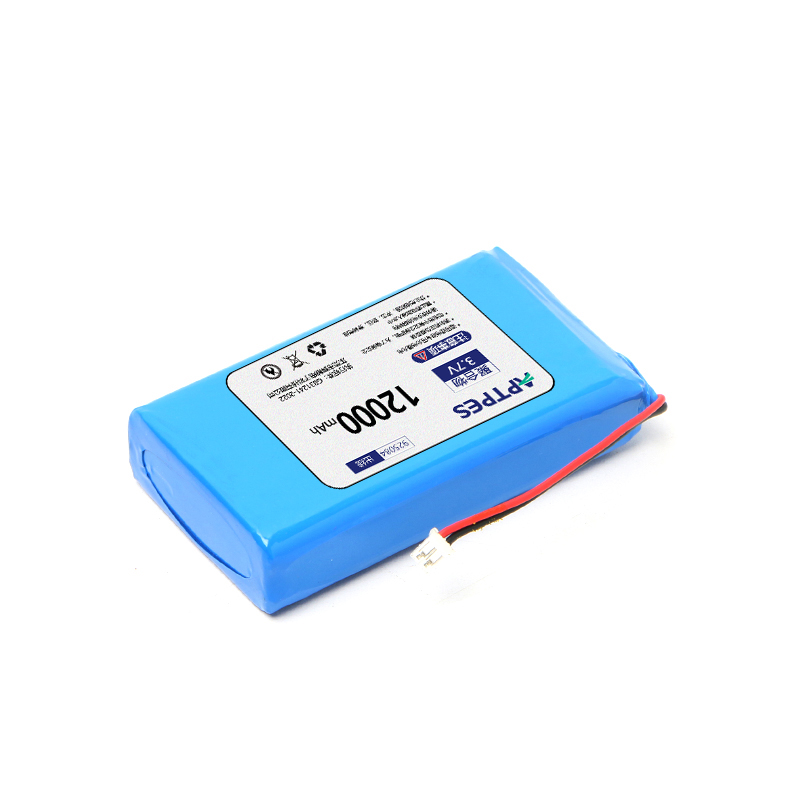
Voltage mismatch introduces severe operational risks. Installing a 12V battery into a 3.7V system destroys the light’s controller instantly. It causes an irreversible electrical component burnout. The reverse is also true. A 3.2V pack cannot power a 12V lighting array.
Always match the nominal voltage of the replacement battery directly. Check the original unit or read the solar controller’s printed specifications. Do not guess these values. You must verify these exact numbers before beginning any installation process. Common setups use 3.2V for single LiFePO4 cells or 12.8V for four cells wired in series.
Solar panels provide highly variable, unpredictable current. Clouds cause sudden drops in power generation. A built-in Battery Management System regulates this chaotic energy flow. It prevents dangerous overcharging on peak sunny days. It also stops deep discharging during prolonged overcast weather.
Check the manufacturer specifications for specific safety features. Ensure the BMS includes short-circuit protection. Verify it features precise temperature cut-offs. These vital safeguards prevent catastrophic thermal events. A high-quality BMS is essential for managing the erratic charge cycles typical of solar energy arrays.
Many online sellers exaggerate capacity ratings drastically. The weight test helps spot fakes quickly and easily. Lithium cells possess a highly predictable energy-to-weight ratio. A suspiciously lightweight product claiming massive capacity is usually false advertising. Physics limits how much energy fits into a specific volume.
Look closely at internal cell configurations. Transparent spec sheets detail exact internal structures. They list specific 32650 or 18650 cell arrays. Proper documentation proves the vendor actually built a true 12Ah pack. For example, achieving 12000mAh often requires multiple 6000mAh cells wired in parallel. Single small cylinders cannot hold this much energy.
Upgrading energy storage without checking panel wattage is a frequent pitfall. Many users install a massive battery but keep a tiny solar panel. The mathematics simply do not work out. Energy input must exceed energy storage capacity during daylight hours.
Consider the math carefully. If your solar panel only outputs 5W, it cannot fully charge a 12V 12000mAh battery. That pack holds roughly 144Wh of total energy. A 5W panel would take multiple days of perfect sunlight to fill it. Ensure the existing panel provides sufficient amperage. It must comfortably support a 12Ah energy bank in a single day. Chronic undercharging damages internal chemistry over time.
Physical dimensions vary wildly across different brands. 12000mAh packs can be long and flat. Sometimes they are chunky and boxy depending on the cell arrangement inside the shrink wrap. Always measure the solar light's internal battery compartment. Do this carefully before ordering any replacement parts.
Next, verify plug types. Connectors are not universally standardized. Common options include JST plugs, SM connectors, bare wire leads, or spade terminals. Adapting different connectors requires basic soldering skills. You must use heat-shrink tubing to protect the new joints. Weatherproofing maintains the fixture's original IP rating against rain and environmental moisture.
Evaluating manufacturers correctly saves time and prevents safety hazards. You should look for standard international safety certifications. UN38.3 certification ensures the product underwent safe transport testing. It proves the pack withstands vibration, altitude, and shock. CE and RoHS listings prove basic electrical compliance and restriction of hazardous materials. UL listings represent the gold standard for electrical safety.
A reputable manufacturer must offer strong guarantees. High-capacity solar batteries need at least a one-to-two-year warranty. This document should explicitly cover premature capacity retention loss. It must also cover total BMS failure. Quality vendors stand behind their engineering and chemistry choices.
Watch out for obvious red flags when shopping. Reject vendors lacking detailed, downloadable datasheets. Avoid sellers hiding maximum temperature rating disclosures. Be extremely skeptical of prices falling drastically below the market baseline. Bargain prices often indicate recycled cells, rejected factory batches, or completely absent BMS boards. Reliable 12Ah lithium technology requires precision manufacturing and quality raw materials.
Selecting the right power storage goes far beyond searching for a high capacity number on a label. Voltage alignment ensures system safety and controller survival. Favorable cell chemistry dictates outdoor endurance and temperature resilience. Proper panel charging capability guarantees your new upgrade actually works efficiently every single night.
Audit your current solar light right away. Document the exact voltage requirements printed on the old cell. Measure the available physical space carefully using a metric ruler. Note the exact connector type needed for seamless plug-and-play installation. Use these precise dimensions to narrow down your options immediately. Choose reputable vendors offering certified, BMS-equipped energy solutions to ensure years of flawless outdoor illumination.
A: Yes, you can replace a lead-acid unit with lithium. However, the solar charge controller must support specific lithium charge profiles. If it does not, the new battery's BMS must manage the voltage conversion internally. Mixing incompatible charging profiles damages cells quickly. Always verify controller compatibility first.
A: Charging time depends entirely on panel wattage and battery voltage. You can use a simple formula. Divide the battery's total Watt-hours (Wh) by the solar panel's output watts. Account for roughly twenty percent energy loss. A 144Wh battery needs around eight hours of peak sun on a 20W panel.
A: Cold temperatures severely impact lithium ion flow. Cell internal resistance increases rapidly below freezing. Furthermore, charging below zero degrees Celsius can permanently ruin cells. A quality BMS will trigger safety cut-offs to prevent this charging damage. This naturally limits available capacity during deep winter months.


