

Views: 0 Author: Site Editor Publish Time: 2026-06-25 Origin: Site


Lithium-ion technology powers everything from everyday smartphones to massive grid-scale storage systems. However, industrial buyers cannot afford to treat these complex energy systems as simple black boxes. You must look closely at how they function internally to ensure they meet strict performance demands.
Moving from a basic consumer understanding to industrial reality requires a deeper perspective. Evaluating a vendor's claims regarding lifespan and safety requires a solid foundational knowledge of the underlying electrochemistry. You need to know exactly what happens inside the casing when you deploy these units in the field.
Understanding how a Lithium-ion Battery works internally is the most reliable way to mitigate thermal risks. It also helps you confidently shortlist the right energy storage solution for your operational needs. We will explore core mechanics, performance metrics, and safety standards to guide your next deployment.
To evaluate an energy storage system properly, you must first understand its physical anatomy. A Lithium-ion Battery consists of four primary internal components. Each part plays a specific role in how power is stored, transferred, and released.
The core mechanism of this technology relies on a process called intercalation. Intercalation is the physical insertion and extraction of ions within the electrode materials. When you discharge the battery, lithium ions leave the anode, travel through the liquid electrolyte, pass through the porous separator, and embed themselves into the cathode. This movement forces electrons to travel through your external circuit, powering your equipment.
When you recharge the system, the exact reverse happens. The charger forces the ions back across the electrolyte into the graphite anode. This physical back-and-forth movement causes microscopic expansion and contraction within the electrode structures. Over thousands of cycles, this constant physical stress creates micro-fractures. It also thickens the Solid Electrolyte Interphase (SEI) layer. These microscopic changes cause the measurable capacity degradation you see over time.
Stakeholders evaluate operational efficiency using specific metrics. You can bridge the gap between technical mechanics and practical field performance by analyzing three major factors. A well-designed Lithium-ion Battery optimizes energy density, cycle life, and discharge capabilities.
Internal chemistry directly determines how much energy you can fit into a constrained space. High energy density allows for maximum power in tight deployments. For example, server racks and fleet vehicles require compact solutions. NMC chemistries pack lithium ions tightly into the cathode structure. This configuration delivers substantial power within a minimal physical footprint. It frees up valuable square footage for other critical infrastructure.
Cycle life measures how many complete charge and discharge cycles the unit can endure before its capacity falls below 80% of its original rating. A modern lithium-ion system vastly outlasts traditional chemistries. Because the intercalation process is highly efficient, internal wear occurs very slowly. You can model this longevity against operational schedules. Systems routinely exceed 4,000 to 6,000 cycles. This extreme durability significantly reduces the frequency of system replacements.
Depth of Discharge refers to the percentage of the battery's total capacity used during a single cycle. Legacy technologies suffer severe internal damage if discharged deeply. In contrast, you can draw a lithium-ion system down to 10% or 20% capacity without critically damaging the internal chemistry. The stable graphite anode and robust cathode hold their structural integrity even when mostly depleted. This flexibility unlocks substantially more usable energy per physical footprint.
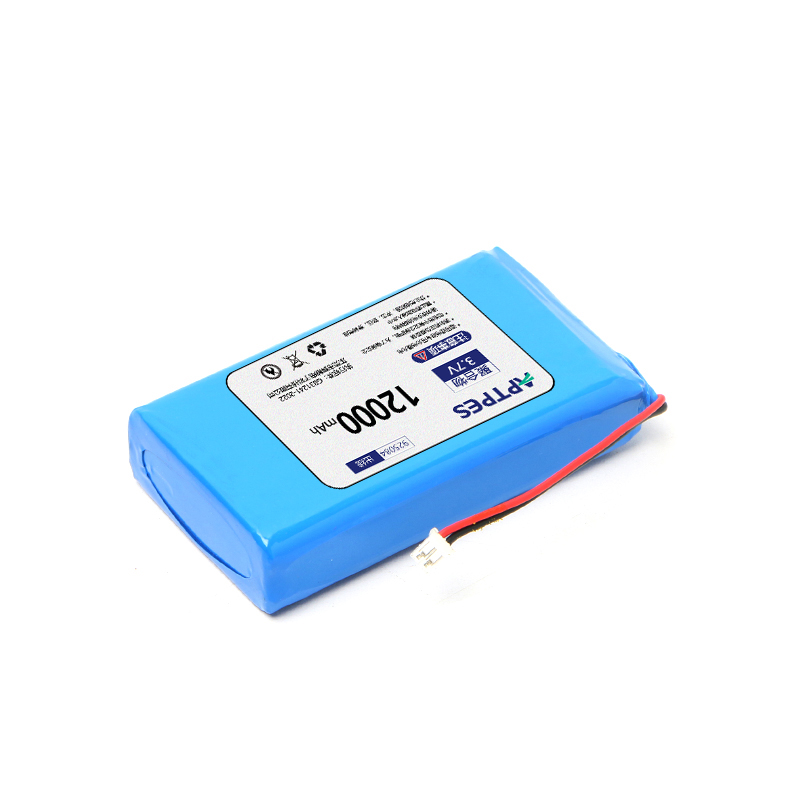
Organizations often compare modern lithium-ion solutions against traditional flooded lead-acid or Absorbent Glass Mat (AGM) systems. Providing a transparent, evidence-based framework clarifies why the modern chemistry dominates demanding environments. We must evaluate maintenance realities, longevity, and efficiency losses.
While legacy systems seem accessible, they fail quickly under heavy use. A standard lead-acid system might survive 500 to 1,000 cycles. It requires frequent physical replacements. A modern Lithium-ion Battery routinely surpasses 5,000 cycles. You avoid the constant logistical friction of removing heavy, depleted lead banks. The extended replacement timeline ensures uninterrupted operational continuity.
Flooded lead-acid systems demand intense, active maintenance. Maintenance teams must regularly water the cells, clean corrosive acid spills, and perform equalization charges. This active maintenance drains labor hours. Lithium-ion systems enable passive monitoring. They are entirely sealed. You never add water. The integrated software handles cell balancing automatically. This shift from manual labor to passive oversight reallocates thousands of maintenance hours annually.
Lead-acid batteries fall victim to Peukert's Law. This law states that as the rate of discharge increases, the battery's available capacity sharply decreases. If you pull power too fast from a lead-acid unit, internal resistance spikes. Much of the energy turns into useless heat. Lithium-ion chemistry features exceptionally low internal resistance. It ignores Peukert's Law almost entirely. It maintains near 100% efficiency regardless of how rapidly you draw the power. You get all the energy you expect, every single time.
| Performance Metric | Lead-Acid / AGM | Lithium-Ion |
|---|---|---|
| Usable Depth of Discharge | 50% (Damage occurs below this) | 80% - 90% (Safe daily operation) |
| Average Cycle Life | 500 - 1,000 Cycles | 3,000 - 6,000+ Cycles |
| Maintenance Required | High (Watering, cleaning terminals) | Zero (Passive software monitoring) |
| Discharge Efficiency | Drops severely under heavy loads | Consistently near 99% |
We must address primary safety risks transparently. Modern engineering does not hide these risks; it actively solves them. High energy density naturally brings thermal challenges. You need to know how these systems protect facilities and personnel.
Thermal runaway is a chemical chain reaction. It begins when the internal polymer separator fails. This failure can happen due to physical puncture, severe overcharging, or external extreme heat. When the separator melts or breaks, the anode and cathode touch. This creates an immediate internal short circuit. The short circuit generates massive electrical heat. This heat boils the liquid electrolyte, releasing flammable gases. Once the temperature passes a critical threshold, the cathode itself breaks down and releases oxygen. This self-sustaining reaction is dangerous, but highly preventable.
The Battery Management System is the non-negotiable brain of any modern unit. It exists specifically to prevent thermal runaway. The BMS actively monitors every individual cell inside the pack. It tracks voltage, temperature, and current flow in real-time. If it detects a cell getting too warm or charging too fast, it intervenes immediately. It balances loads across all cells. It will physically disconnect the battery from the charger or the load if conditions become unsafe. A robust BMS guarantees the electrochemistry stays within strict safety parameters.
You must demand rigorous third-party safety certifications from any manufacturer. Evaluate systems based on recognized standards.
Decision-makers need actionable steps when evaluating vendors. You cannot treat every chemistry or control system as equal. Follow a structured approach to select the precise technology for your deployment.
You must match the sub-chemistry to your specific use case. The two most common industrial chemistries are LFP and NMC.
Review the BMS spec sheet meticulously. A basic BMS only stops overcharging. An advanced industrial BMS does much more. Look for deep data logging capabilities. The system should record historical usage trends. It must integrate seamlessly with your existing SCADA or energy management systems via standard protocols like CAN bus or Modbus. Verify the cell-balancing techniques. Active balancing moves energy from strong cells to weaker ones, maximizing the total capacity of the entire pack over time.
Read the performance warranty carefully. Do not just look at the calendar years. A strong warranty specifies guaranteed capacity retention after a specific number of cycles. For example, a quality vendor guarantees 80% capacity retention after 4,000 cycles. Ensure the vendor clearly defines what constitutes a full cycle. Understand their process for handling end-of-life units, as proper recycling pathways ensure environmental compliance.
The internal workings of a Lithium-ion Battery directly dictate its commercial viability, safety profile, and lifecycle longevity. The precise movement of ions across the electrolyte defines how quickly you can charge and how reliably you can operate. You must select the right cathode material to match your physical footprint and power demands.
Treating these batteries as managed software-hardware ecosystems rather than passive energy buckets is key to successful deployment. The BMS serves as the active shield, balancing cells and neutralizing thermal risks before they escalate. Proper UL certifications provide the final layer of trusted validation.
We encourage you to audit your current energy storage performance. Request detailed spec sheets from prospective vendors. Consult with an engineering team to map a specific lithium-ion chemistry directly to your daily operational parameters. Taking these steps ensures you deploy a highly efficient, rigorously safe power solution.
A: Longevity depends on cycle life and depth of discharge, not just chronological age. A well-managed industrial unit typically lasts between 3,000 and 6,000 cycles. If cycled once daily, this translates to 8 to 15 years of reliable operation before capacity drops below 80%.
A: Yes, they are highly safe for indoor use when appropriately certified. Strict adherence to fire codes, a robust integrated Battery Management System (BMS), and UL 1973 or UL 9540A certifications ensure the system aggressively prevents and contains thermal risks.
A: The battery experiences capacity fade due to internal structural wear and a thickening SEI layer. It holds less charge over time. Once it drops below operational requirements, it often enters second-life applications, like less-demanding backup storage, before undergoing material recycling.
A: Yes. They require chargers configured for precise voltage and current profiles. The charger must communicate directly with the battery's BMS. The BMS controls the charge rate to prevent overheating and ensure perfectly balanced cells throughout the process.


